

Montana Tops The Nation For Physicians’ Working Conditions
A new national study is putting Montana at the top of the list for physicians, highlighting the state’s mix of strong pay, quality care systems, and working conditions that appear to ease burnout in a demanding profession.
The report from WalletHub compared all 50 states and the District of Columbia across 19 measures, from wages and malpractice costs to hospital quality and access. Montana finished first overall, narrowly ahead of Indiana and Louisiana.
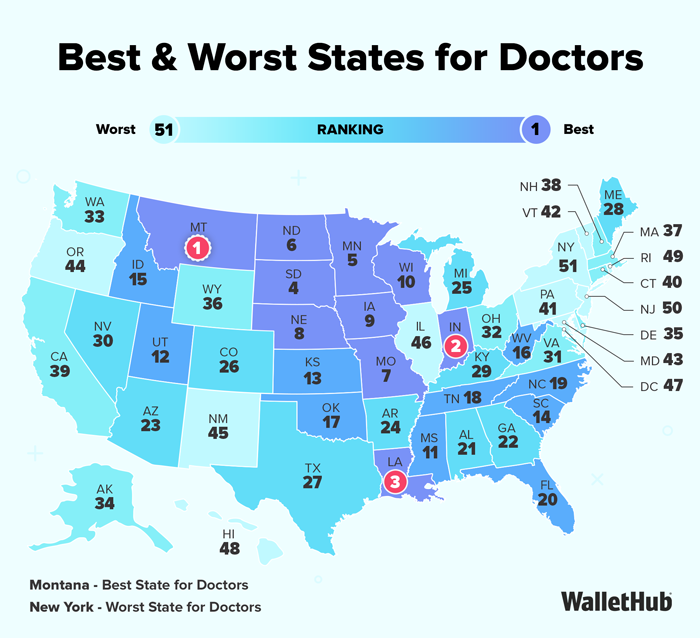
The results also point to a broader regional trend. Several neighboring states landed near the top of the rankings, including South Dakota at 4th, Minnesota at 5th, and North Dakota at No. 6, while Wyoming ranked further back.
Why did Montana rank so high in the study?
Montana's healthcare system received high marks for both patient satisfaction and accessibility. Physicians in the state also enjoyed competitive compensation across various fields. Montana also held the nation's lowest physician burnout rate, a significant achievement given the staffing challenges and demanding schedules faced by healthcare systems across the country.
The state also stands out for its ability to keep doctors once they arrive. Nearly two-thirds of medical residents who train in Montana stay to practice there, suggesting a level of stability that many rural states struggle to maintain.
“Setting up a practice in one of the best states for doctors can have a profound effect on your medical career. Not only will you be working in top-quality medical facilities and earning high salaries, you’ll be less likely to burn out, and pay less for malpractice insurance. Meanwhile, residents living in one of the best states for doctors will have access to quality healthcare at a reasonable cost,” said Chip Lupo.
The findings arrive as many doctors are still carrying significant financial burdens early in their careers.

WalletHub estimates the average medical school graduate takes on about $247,000 in student debt, making long-term earning potential and workplace conditions key considerations when choosing where to practice.
9 '80s Hard Rock Bands That Weren't Hair Metal
Gallery Credit: Bryan Rolli