
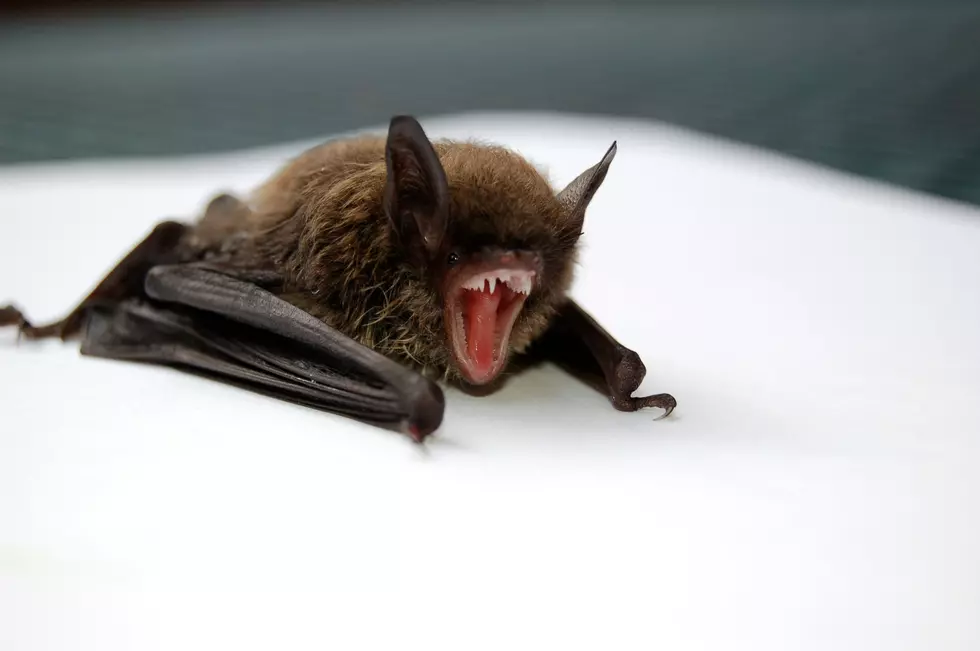
Bismarck Rabies Alert: Bat Bites May Not Leave A Mark
4 bats have tested positive for rabies in North Dakota in the past month including 2 in Burleigh County, according to the NDSU Veterinary Diagnostic Laboratory.
We’re seeing a significant increase in the number of bats being submitted to the NDSU Veterinary Diagnostic Laboratory (VDL) for rabies testing.
While this might not sound like a huge deal, more infected bats are likely in the area, which can pose a serious health risk to humans.
Bats can carry the rabies virus, a viral disease that affects the central nervous system and is almost always fatal if not treated promptly. Humans can contract the disease through bites or scratches from infected animals.
Even if you don't see a bite mark or scratch, you might still need to visit a doctor -- bats have very small teeth that might not leave visible marks.
North Dakota Game and Fish says that bat activity increases in the late summer and early fall as bats are migrating and building fat to survive the winter months. The department says dead bats should be reported for testing.
What Should I Do If I Encounter A Bat Or Get Bitten?
The NDSU Veterinary Lab says that rabies can be transmitted through contact with saliva or nervous tissue. If you find a bat was in your room while sleeping, or if one was found near an unattended child or someone who might not reliably recognize and report exposure you should contact a healthcare provider. Of course, if you know you were bitten or scratched, you should contact a healthcare provider.
How To Spot A Rabid Bat
If you have questions about exposure, you should contact Health and Human Services at 701-328-2378.
North Dakota's Endangered Species
Gallery Credit: Andi Ahne
WOW: 19 Exotic-Looking Animals Surprisingly Found in America
Gallery Credit: Stephen Lenz